
Logistics SaaS
Atlas Freight
Context
Dispatch at Atlas Freight ran on spreadsheets. Eleven tabs, three coordinators, one phone that never stopped ringing. Assigning a single load meant cross-referencing driver hours, dock slots and delivery windows by hand.
The real cost was hesitation. Nothing lived in one place, so coordinators double-checked everything, and every double-check pushed dispatch deeper into the afternoon. Trucks waited. Customers called. The spreadsheet grew another tab.
The call
The safe brief was one dashboard per department: drivers here, docks there, customers somewhere else. We said no. Departments do not dispatch trucks. Dispatchers do.
So we set one rule and held it through every review: one screen per decision, not one screen per department. If a coordinator has to switch views to assign a load, the design has failed.
Execution
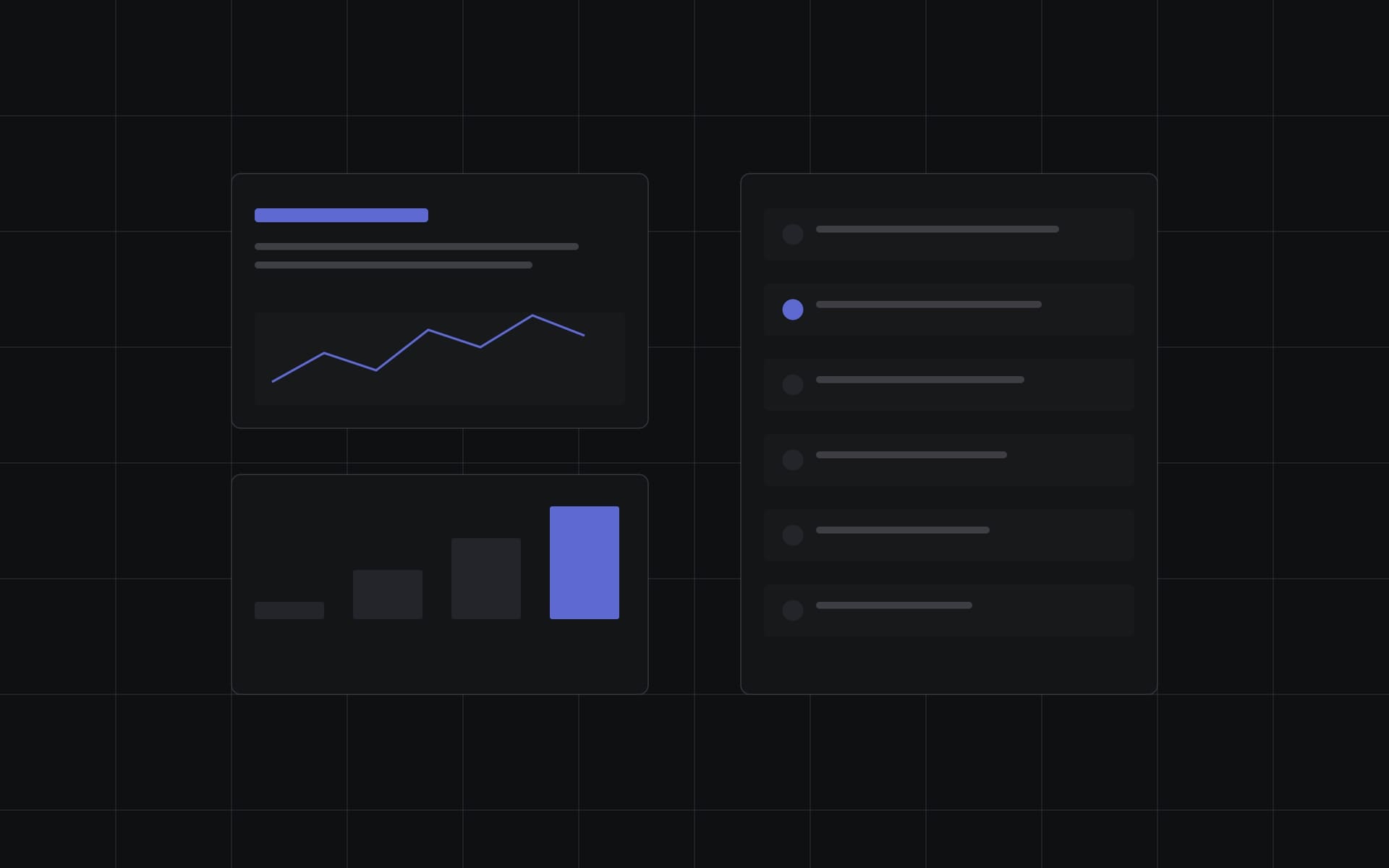
We built the dispatch board first. A dark, dense screen: unassigned loads ranked by urgency on the left, viable drivers scored on the right, conflicts — hours, capacity, dock clashes — flagged inline before the assignment is made. One click commits the load. No modal, no second screen.
The operations app carries the same logic onto the road. Drivers see the next stop and nothing else. Confirmations flow back to the board in real time, so the plan on screen is the plan on the asphalt.
Results
Time to dispatch fell 38%. The morning scramble became a working session: loads assigned before the first coffee went cold, exceptions handled as exceptions instead of as the default. The spreadsheets are gone and nobody misses them.
The number matters less than the shape of the day it bought back. This is a sample project shown while our first public case studies are being cleared for publication.