App & Product Design
Users don't read manuals. Design like it.
If your product needs a tutorial, the design already failed. We create interfaces that explain themselves — apps people can use in the first ten seconds, with no manual, no tooltip tour and no help desk.
- Product UX research and user flows
- UI design for web and mobile apps
- Design systems that scale with your product
- Interactive prototypes you can test before writing code
- Developer handoff with specs, tokens and zero guesswork
- Usability testing and iteration after launch
We start by watching, not drawing. Research and user flows come first: what people are trying to do, where they hesitate, what they abandon. Every screen we design answers a question the flow raised.
Then we design the interface and prototype it. Real interactions, tested with real users before development starts. It is cheaper to fix a prototype than a product.
You get UI that ships: a design system with tokens and components, developer handoff with zero guesswork, and iteration after launch based on how people actually use the product — not how we hoped they would.
If it needs a tutorial, it already failed
The most expensive words in product design are “users will figure it out”. They will not. They will churn, silently, and your analytics will show a funnel that leaks at onboarding while everyone blames marketing. Good UX design removes the need for explanation: the next step is obvious, the dangerous action looks dangerous, and the first success arrives within seconds of opening the app.
Our bar is blunt. A first-time user should accomplish something real in ten seconds without help. We design toward that bar with user flows that cut steps instead of decorating them, and we verify it in usability testing with people who have never seen the product. Opinions are cheap; watching someone get stuck is not.
Prototypes before code, always
Every serious design decision gets tested as an interactive prototype before development begins. Not a static mockup — a clickable, realistic flow that users can actually attempt to use while we watch. This is where assumptions die cheaply. A confusing label costs five minutes to fix in Figma and five figures to fix in a shipped product with data migrations attached.
This is also why our projects hold their dates. By the time developers start, the interface has already survived contact with real users. There is no mid-build redesign, no “actually, users don’t understand this screen” discovered in production. Typical engagements run 4 to 8 weeks to a shippable interface, with price and date fixed before we begin.
A design system, not a folder of screens
Screens rot. Systems compound. Alongside the UI design we deliver a design system: design tokens for color, type and spacing, a component library with defined states, and rules for composing new screens we never drew. Your product team ships feature ten with the same consistency as feature one, without booking an agency every time.
Accessibility is part of the system, not a patch. Contrast, focus states, touch targets and keyboard paths are specified to WCAG 2.2 inside the components themselves — which means every future screen inherits accessibility instead of retrofitting it under audit pressure.
Designed with developers, not thrown over the wall
Most product design fails in the last meter: a beautiful Figma file, a confused engineering team, and a shipped product that resembles the design the way a fax resembles a photograph. We close that gap deliberately. Handoff includes specs, design tokens in usable formats, interactive prototypes as the behavioral source of truth, and our availability during the build for the questions that always come up.
We work hand in hand with your developers from the first sprint, and if you need a build partner, we bring one. Either way, the measure of our work is not the mockup. It is the product in your users’ hands.
What this actually gets you

Usable in ten seconds
Interfaces that explain themselves. First-time users reach their first success without a tour, a tooltip or a support ticket.
Mistakes caught in prototypes
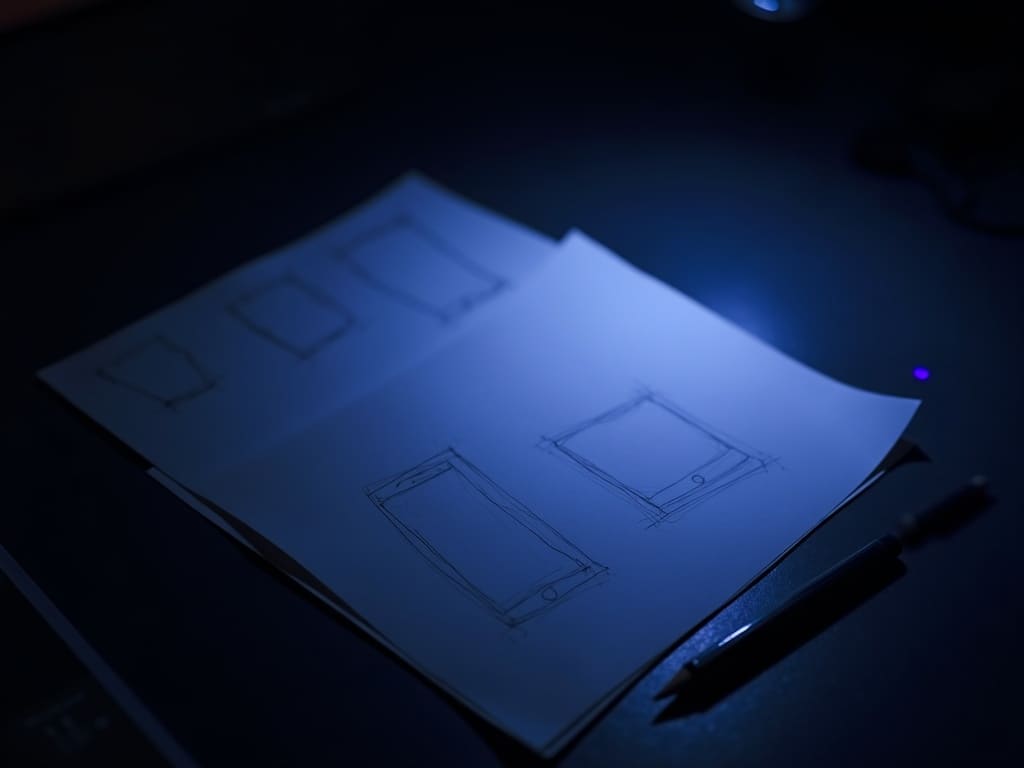
We test interactive prototypes with real users before development. Fixing a prototype costs hours; fixing shipped code costs sprints.
A design system you own
Tokens, components and rules your team extends without us. The hundredth screen is as consistent as the first.
Handoff without guesswork
Developers get specs, tokens and working prototypes. What ships is what was designed, not an interpretation of it.
Real screens every week
Weekly sprints with visible output. You steer the product as it takes shape instead of judging a big reveal at the end.

Evidence over opinion
Decisions come from user research and usability testing, not taste debates. The loudest voice in the room stops winning.
Built with
- Figma
- Design tokens
- Interactive prototyping
- User flow mapping
- Usability testing
- Component libraries
- WCAG 2.2 accessibility
- Developer handoff specs
How we work it
- 01
Research
We watch real users, map flows and find where people hesitate or abandon. Scope, price and date are fixed before design starts.
- 02
Prototype
Real interactions, tested with real users before a line of code exists. Failures here are cheap and welcome.
- 03
System
The tested interface becomes a design system — tokens, components and rules your developers build from directly.
- 04
Iterate
After launch, usage data and testing drive the next round. Design is a feedback loop, not a delivery.
Straight answers
Do you build the product too, or only design it?
We design, and we work hand in hand with your developers. Handoff includes specs, design tokens and interactive prototypes, so nothing gets lost in translation. If you need a build partner, we bring one.
How long does product design take?
A first shippable version of the interface takes 4 to 8 weeks depending on scope. We work in weekly sprints, so you see real screens every week — not a big reveal at the end.
Do you use UI kits or templates?
No. Off-the-shelf kits produce off-the-shelf products. We design your interface from zero, then codify it into a design system your team owns and can extend.
What if users still get stuck?
Then we fix it. We test prototypes with real users before a line of code exists and keep iterating after launch. Design is a feedback loop, not a delivery.
Pairs well with